Dr. Tommy Wood on Brain Health & Cognitive Longevity
Cognitive decline isn't inevitable — it's a choice we make without realising it. Neuroscientist Dr. Tommy Wood reveals how the brain responds to what we demand of it, why dementia is largely…

Search
7 interviews · 5 quotes
In conversation
Cognitive decline isn't inevitable — it's a choice we make without realising it. Neuroscientist Dr. Tommy Wood reveals how the brain responds to what we demand of it, why dementia is largely…
Elsewhere in the archive
In this interview, I speak to veteran science broadcaster and journalist Jay Ingram, author of twenty popular science titles, including the bestselling Science of Why series. In hiss latest book The Science…
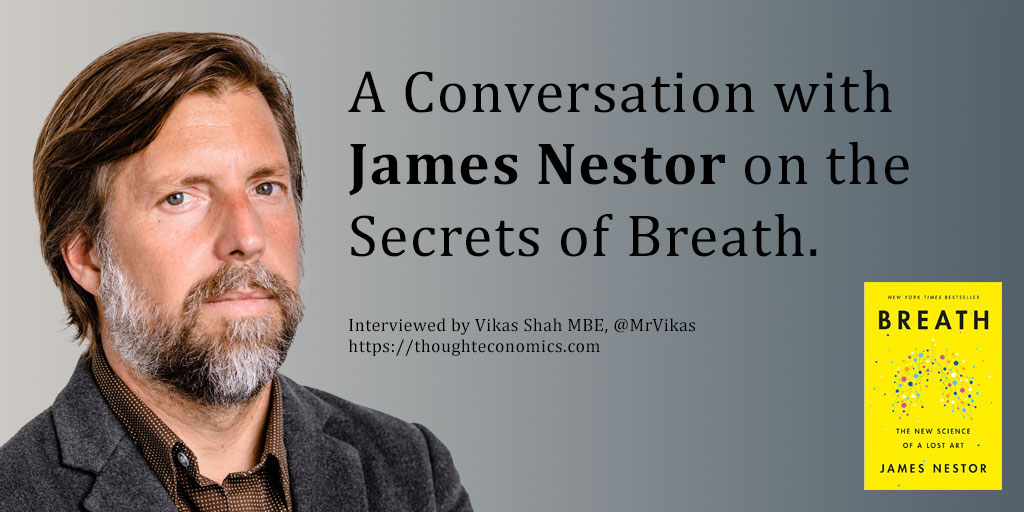
In this interview, I speak to James Nestor (author of ‘Breath: The New Science of a Lost Art’) we discuss his extraordinary journey understanding how modern civilisation has forgotten the importance of…
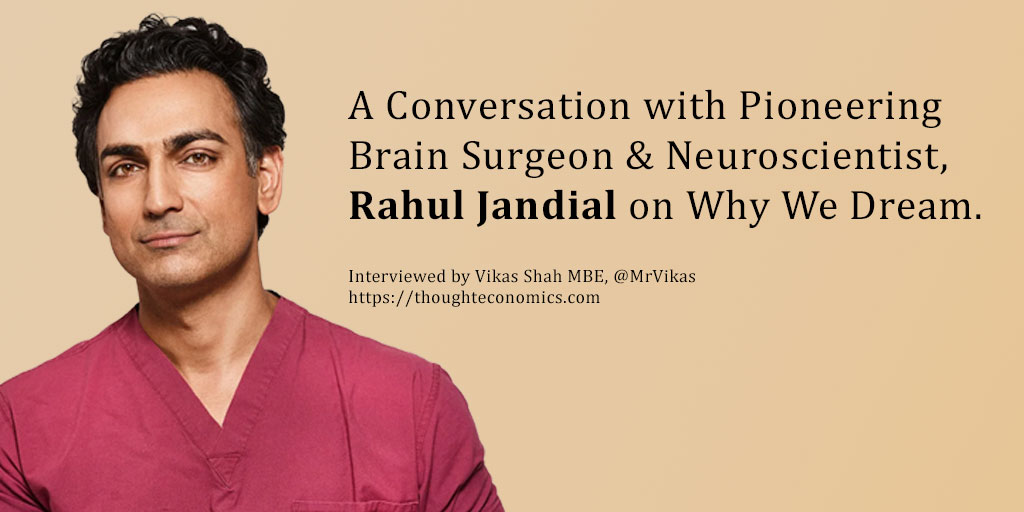
In this interview, I speak to pioneering brain surgeon & neuroscientist Rahul Jandial (author of ‘This is Why You Dream’) about the extraordinary way neuroscience and medicine are helping us unlock the…
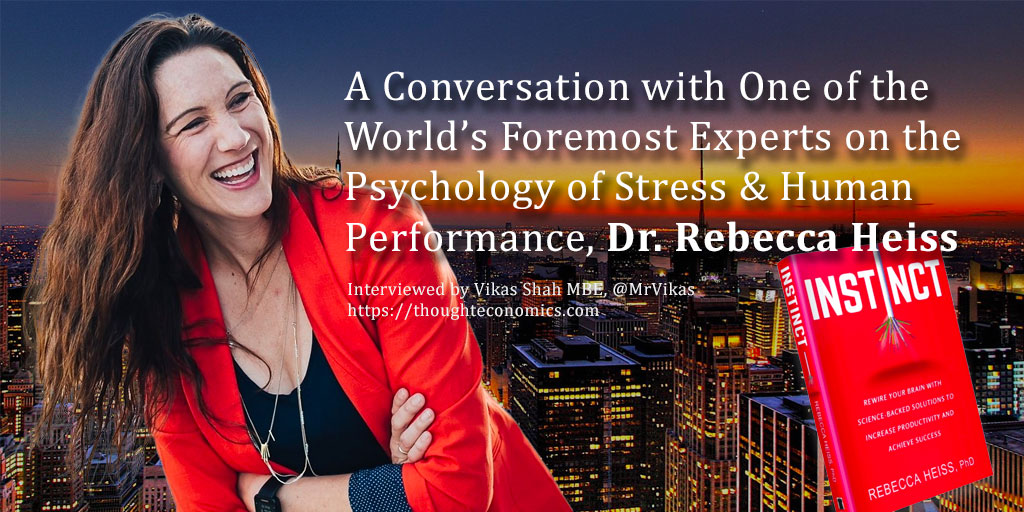
Rebecca Heiss, PhD, is an evolutionary biologist and stress physiologist who empowers the current and next generation of leaders to live more, fear(less) lives. Through her deep understanding of how evolution has…
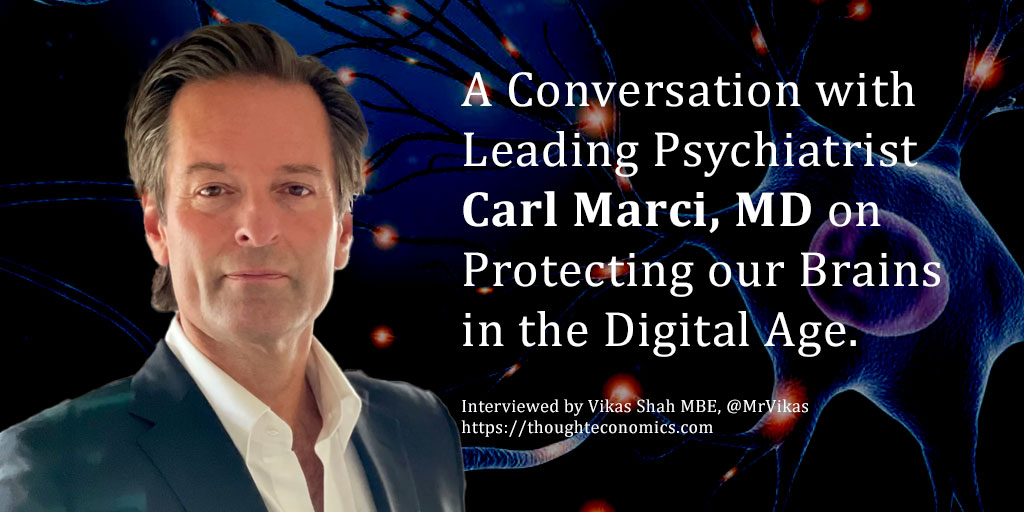
In our age of digital omnipresence, a discordance has evolved between our ever-connected world and our increasing sense of disconnection. This imbalance, brought about by the saturation of our lives with smartphones…
Among music legends, Nile Rodgers is truly exceptional. His work in the CHIC Organization and his productions for artists like David Bowie, Diana Ross, and Madonna have sold over 500 million albums…
From the archive
If we want to build or maintain function, we need to apply a stimulus. And then, as much as we can, we need to provide the environment that allows us to best adapt to that stimulus.
— Dr. Tommy WoodWe have a significant ability to change our cognitive trajectory. But first, we need to believe it's possible. And second, we need to engage in the things that allow it to happen.
— Dr. Tommy WoodWhat they found was that the majority of people — above 50% — maintained cognitive function from their 50s into their 80s. We knew this more than fifty years ago.
— Dr. Tommy WoodWhen those inputs are removed, it starts to prune function and structure, because those functions aren't needed anymore. It's still that same process — we just call it ageing. And it happens because we've removed physical activity, cognitive stimulus, and social connection. The brain responds accordingly.
— Dr. Tommy WoodIf dementia is preventable, it means we're changing the trajectory of cognitive decline — which means that trajectory isn't inevitable.
— Dr. Tommy Wood