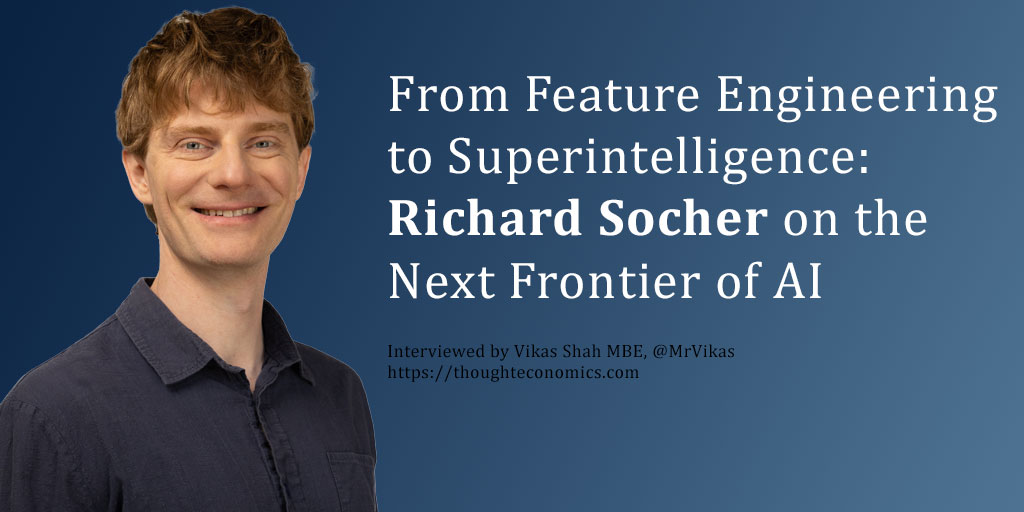
In this interview I speak to Dr. Richard Socher — pioneer of neural NLP, inventor of widely used word vectors, and founder of You.com. He discusses his journey from contrarian Stanford researcher to building AI-powered search infrastructure, his vision for recursive self-improvement as the path to superintelligence, and his philosophy…


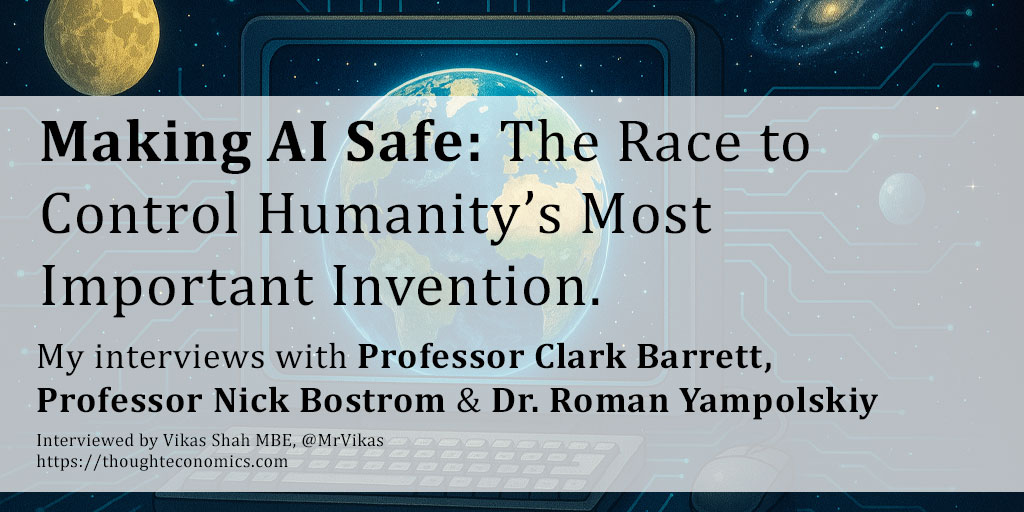
In these conversations, I spoke with three of the world’s foremost thinkers on AI safety, risk & governance —Clark Barrett (Professor of Computer Science at Stanford and Co-Director of the Stanford Center for AI Safety), Nick Bostrom (Founder of the Future of Humanity Institute at Oxford University and the Macrostrategy…


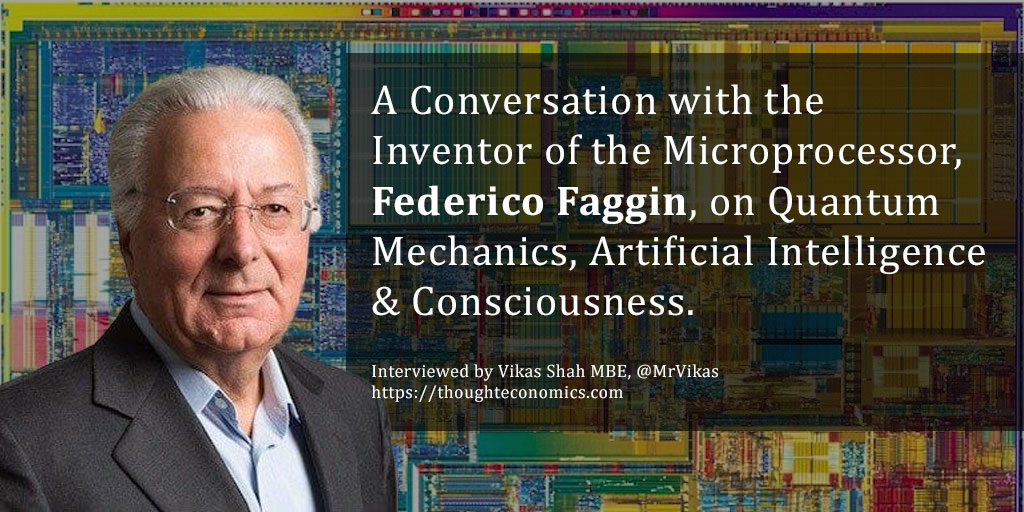
Federico Faggin invented the technology which made the microprocessor possible His semiconductor memory technology was adopted by Intel, and the microprocessor revolution began. Federico went on to found a number of businesses- and was additionally responsible for the technology that makes the touchpads and touchscreens on our modern day devices…


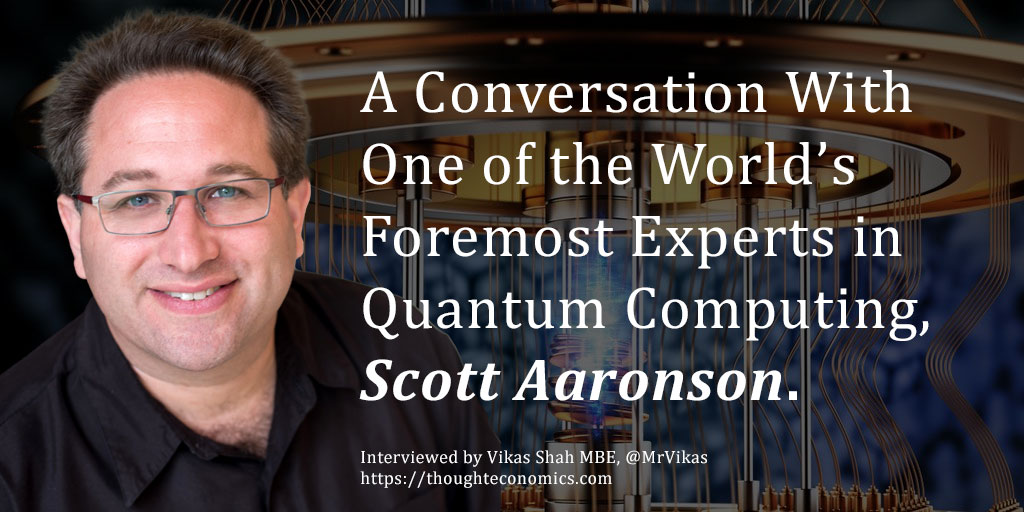
In this interview, I speak to one of the world’s foremost experts in Quantum Computing, Scott Aaronson. Scott is Schlumberger Centennial Chair of Computer Science at The University of Texas at Austin, and director of its Quantum Information Center. His research interests centre around the capabilities and limits of quantum…


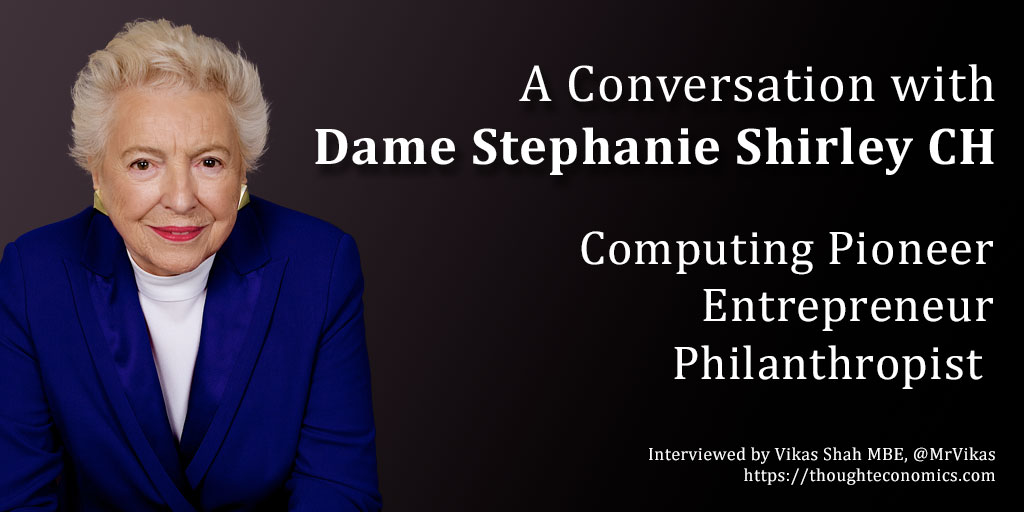
Dame Stephanie Shirley CH, also known as Steve, is a workplace revolutionary and successful IT entrepreneur turned ardent venture philanthropist. At 88 years old, her story has many strands which, woven together, have produced a lifetime of exceptional achievements. Dame Stephanie’s story begins with her 1939 arrival in Britain as…


Artificial intelligence is smarter than humans. It can process information at lightning speed and remain focused on specific tasks without distraction. AI can see into the future, predicting outcomes and even use sensors to see around physical and virtual corners. So why does AI frequently get it so wrong? The…


In 1981 a group of 7 engineers in Pune (India) came together with US$250 of capital and a passion for computing.  They created Infosys, which has grown to become a business with almost 230,000 employees, revenues of US$11.8 billion and a market capitalisation of almost US$50 billion.Infosys catalysed many of…


In these exclusive interviews we speak to Col. Artur Suzik (Director of the NATO Cooperative Cyber Defence Centre of Excellence, NATO CCD COE), Ambassador Gábor Iklódy (Director of Europe's Crisis Management and Planning Directorate), Professor Sadie Creese (Professor of Cybersecurity at Oxford University and Director of the Global Centre for…


In this article, we talk to Professor Nick Bostrom, Director of the Future of Humanity Institute at the University of Oxford, discussing the profound changes humanity could experience over coming years including artificial intelligence, machine consciousness, the direction of human evolution, and risks to humanity itself.