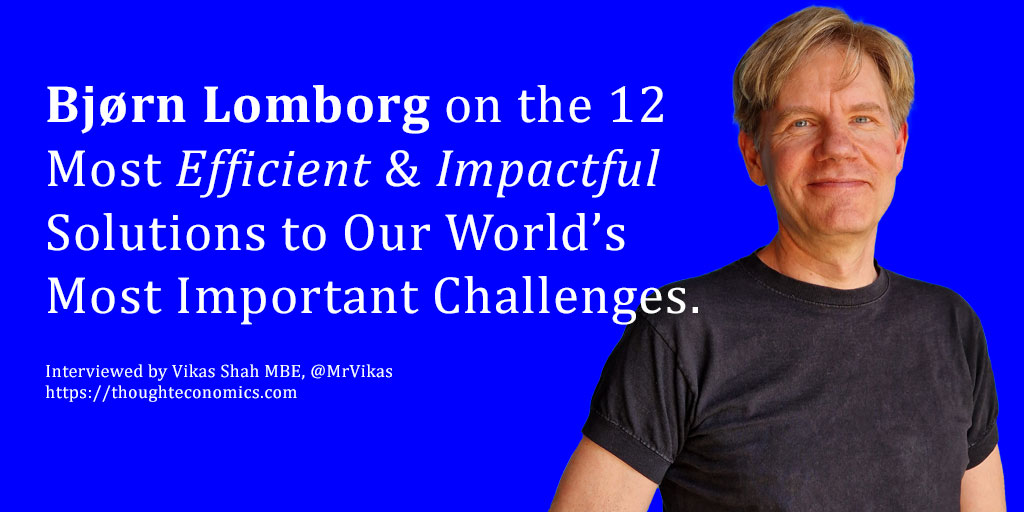
Bjørn Lomborg on 12 Solutions to Global Challenges
Explore an archive of more than 3,000 quotes.
The tendency is to avoid the need for more options because anything that's unfamiliar, as human beings we tend to flee uncertainty. We naturally go towards what we already know because we know how to deal with something we have done before.
When I look at my own life- the things that I'm most embarrassed about are the moments where I acted, or didn't act, because of fear. The moments I'm most proud of are those where I acted with some semblance of courage.
I used to be skeptical about whether I could live an additional 5 years. Now, I'm convinced that I could live 20 years beyond what I would have done. Drugs on our near horizon will give us easily another 20 years, and the drugs not far behind that, another 100. I've never been more excited about the prospect of human health than I am right now.
Countries trade with each-other, and trade is in the context of goods, services, labour and many other things. They trade with each other because they're different, and have different tastes and preferences, different attitudes towards risk, different technological frontiers, different resources, different climate and ecologies and so on. It's differences in tastes and preferences, resources and technology together with ways of thinking (manifesting in managerial and design differences) which are the reasons countries benefit when they trade with each other in goods, services, finance and labour.
My perspective, which I term 'evolutionary intelligence,' stems from the observation that humans often misconstrue their surroundings. The sheer number of cognitive biases we possess is staggering; Wikipedia lists over 200. If we could address even the top 10 of these biases and harness advisory tools like Waze for traffic, it could significantly benefit us.
Ten in-depth articles distilling insights from over 550 interviews with the world's leading thinkers, creators, and changemakers.